
Best Places to Visit in Iceland: Top Destinations for an Unforgettable Trip
Iceland is one of the most spectacular travel destinations in Europe, famous for dramatic waterfalls, volcanic landscapes, glaciers, black-sand beaches, geothermal hot springs, rugged mountains, and beautiful coastal scenery. Often called the Land of Fire and Ice, Iceland offers an incredible combination of volcanoes and glaciers that makes the country unlike almost anywhere else in the world.
From the colorful streets of Reykjavik to the powerful waterfalls of the South Coast and the dramatic landscapes of the Snæfellsnes Peninsula, Iceland is full of unforgettable places to explore.
The country is also famous for natural experiences such as the Northern Lights, geothermal lagoons, scenic road trips, whale watching, and Midnight Sun during summer.
Whether you love nature, photography, adventure, road trips, or peaceful landscapes, Iceland has something special to offer.
In this guide, discover the best places to visit in Iceland, including famous waterfalls, glaciers, national parks, beaches, towns, and natural attractions.
1. Reykjavik – The Colorful Capital of Iceland

Best Places to Visit in Iceland – Top Tourist Destinations
Reykjavik is the capital and largest city of Iceland and is an excellent starting point for exploring the country. Although relatively small compared with many European capitals, Reykjavik has a lively atmosphere, colorful buildings, museums, restaurants, cafés, and interesting architecture.
One of the city's most recognizable landmarks is Hallgrímskirkja, a striking church inspired by Iceland's natural landscapes. Visitors can also explore the Harpa Concert Hall, the Old Harbour, and the Sun Voyager sculpture.
Reykjavik is also a convenient base for day trips to nearby natural attractions.
Top Things to See in Reykjavik
- Hallgrímskirkja
- Harpa Concert Hall
- Sun Voyager
- Old Harbour
- Perlan
- Downtown Reykjavik
The city is especially enjoyable for travelers who want to experience Icelandic culture before heading into the countryside.
2. Golden Circle – Iceland's Classic Road Trip
Best Places to Visit in Iceland – Top Tourist Destinations
The Golden Circle is one of the most popular sightseeing routes in Iceland. It connects several spectacular natural attractions and can easily be explored as a day trip from Reykjavik.
The route's three major highlights are Þingvellir National Park, the Geysir geothermal area, and Gullfoss waterfall.
Þingvellir is famous for its historical and geological importance. The Geysir area features geothermal activity and the famous Strokkur geyser, which regularly erupts.
Gullfoss is one of Iceland's most impressive waterfalls, where enormous amounts of water cascade through a dramatic canyon.
The Golden Circle is an excellent introduction to Iceland's landscapes and is ideal for first-time visitors.
3. Gullfoss – The Golden Waterfall
Gullfoss is one of Iceland's most famous waterfalls and an essential stop on the Golden Circle route.
The waterfall drops in two major stages into a deep canyon, creating a powerful and dramatic landscape. On sunny days, mist from the waterfall can create beautiful rainbows.
Several viewpoints allow visitors to appreciate the scale of Gullfoss. The surrounding landscape changes dramatically throughout the year, from green summer scenery to snowy winter views.
Gullfoss is particularly popular with photographers because of its combination of water, cliffs, and changing weather.
4. Þingvellir National Park – History and Geology

Þingvellir National Park is one of Iceland's most important natural and historical destinations. The area is known for its geological features and its connection to Iceland's early parliamentary history.
The landscape includes lava fields, clear water, cliffs, and open valleys. Visitors can walk along marked trails and enjoy views of the surrounding scenery.
Þingvellir is also part of the Golden Circle and can easily be combined with Geysir and Gullfoss.
For travelers interested in geology, history, and nature, Þingvellir is one of the most fascinating places in Iceland.
5. Blue Lagoon – Iceland's Famous Geothermal Experience

The Blue Lagoon is one of Iceland's best-known attractions. Located in a lava-field landscape near Grindavík, it is famous for its warm geothermal waters and striking surroundings.
The lagoon's milky-blue appearance contrasts beautifully with the dark volcanic landscape around it.
Visitors can relax in the geothermal water, enjoy the surrounding scenery, and experience Iceland's famous bathing culture.
Because conditions and access can change, visitors should always check the latest official information before planning a visit.
The Blue Lagoon is a popular addition to an Iceland itinerary, especially for travelers looking for a relaxing experience after exploring the country's natural attractions.
6. Seljalandsfoss – Walk Behind the Waterfall
Seljalandsfoss is one of Iceland's most recognizable waterfalls. What makes it particularly special is the path that allows visitors, when conditions are safe, to walk behind the falling water.
The waterfall drops from a cliff and creates a beautiful curtain of water. During summer, the surrounding landscape is green and bright, while winter can transform the area into a snowy scene.
Visitors should expect to get wet from spray and should follow local safety instructions.
Seljalandsfoss is located along Iceland's South Coast and can easily be combined with several other famous attractions.
7. Skógafoss – A Powerful South Coast Waterfall
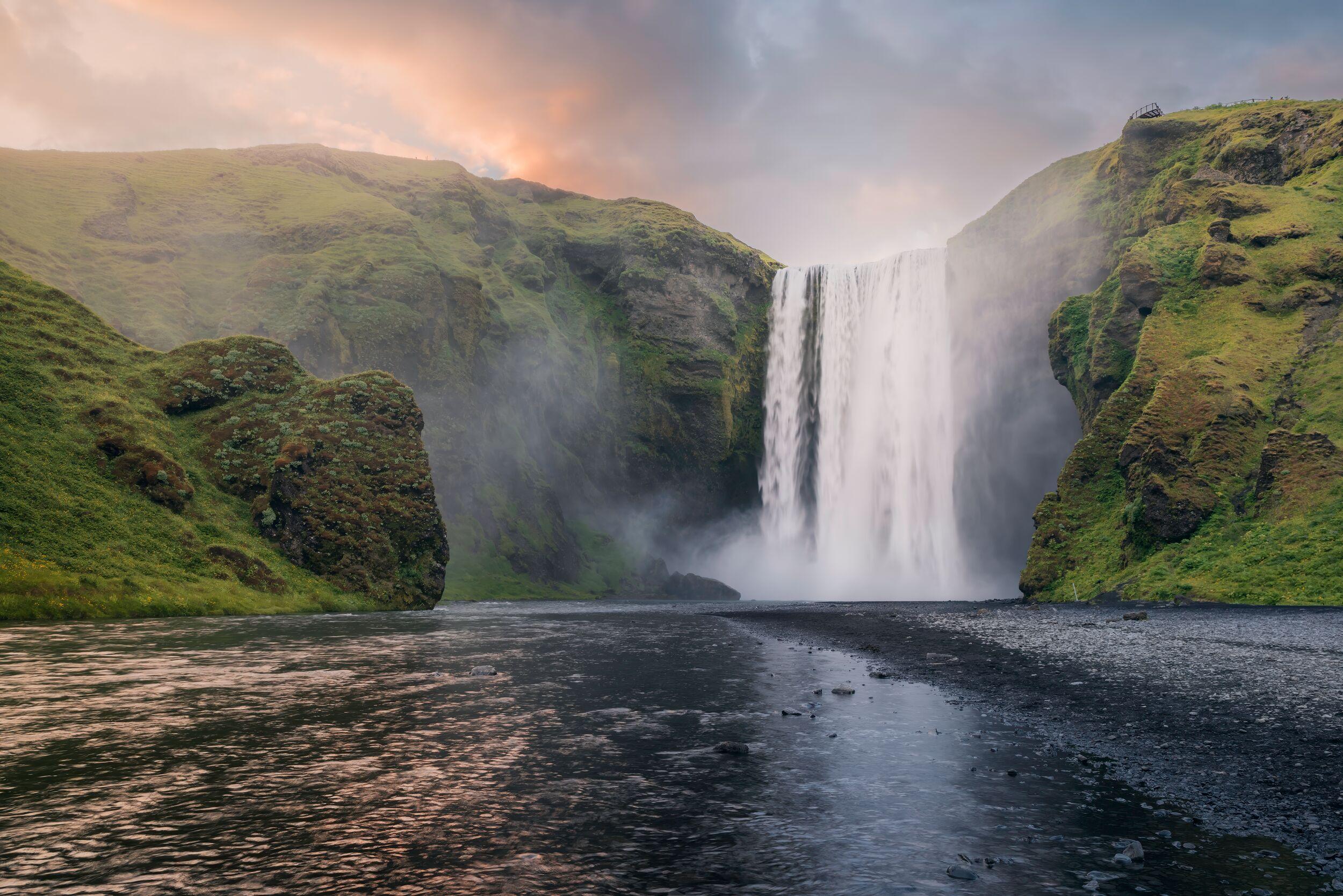
Skógafoss is another spectacular waterfall on Iceland's South Coast. It is famous for its impressive width and powerful flow.
A staircase leads to a viewpoint above the waterfall, offering a different perspective of the surrounding landscape.
On sunny days, the mist from Skógafoss can produce beautiful rainbows. The waterfall is particularly impressive when viewed from below, where visitors can appreciate its enormous scale.
Skógafoss is one of the easiest major waterfalls to include in a South Coast road trip.
8. Reynisfjara – Iceland's Famous Black-Sand Beach
Reynisfjara is one of Iceland's most dramatic beaches. Located near the village of Vík, it is famous for its black volcanic sand, basalt columns, sea cliffs, and offshore rock formations.
The beach looks spectacular against the Atlantic Ocean and surrounding cliffs.
However, Reynisfjara is also known for powerful waves and changing ocean conditions. Visitors should stay well away from the water and follow all local safety signs and warnings.
The combination of black sand, volcanic rock, and ocean scenery makes Reynisfjara one of the most photographed coastal landscapes in Iceland.
9. Vík – Charming South Coast Village
Vík is a small coastal village and one of the most popular stops along Iceland's South Coast.
The village is surrounded by mountains, glaciers, cliffs, and black-sand beaches. The red-roofed church overlooking the settlement has become one of the area's recognizable sights.
Vík is also a convenient base for exploring nearby attractions such as Reynisfjara, Dyrhólaey, and several waterfalls.
Although small, Vík offers accommodation, restaurants, shops, and services for travelers exploring southern Iceland.
10. Jökulsárlón Glacier Lagoon – Ice on the Water

Jökulsárlón Glacier Lagoon is one of Iceland's most spectacular natural attractions. Large pieces of glacial ice break away and float across the lagoon before reaching the nearby coast.
The lagoon changes constantly as icebergs move through the water. Their colors can range from bright white to deep blue, creating an incredible visual experience.
Visitors can enjoy viewpoints around the lagoon and, depending on conditions and available tours, explore the area by boat.
The nearby Diamond Beach provides another unforgettable sight, where pieces of ice can appear along the black-sand coastline.
11. Diamond Beach – Ice Against Black Sand
Diamond Beach is located close to Jökulsárlón Glacier Lagoon and is famous for chunks of ice that wash onto the black volcanic sand.
The contrast between transparent or blue ice and dark sand creates a landscape that looks almost unreal.
The appearance of the beach changes constantly depending on tides, weather, and the amount of ice moving from the lagoon.
It is an excellent location for photography and one of the most memorable stops along Iceland's southeastern coast.
12. Skaftafell – Glaciers and Hiking
Skaftafell is a beautiful area within Vatnajökull National Park. It combines mountains, glaciers, waterfalls, hiking trails, and dramatic landscapes.
One of the area's most famous attractions is Svartifoss, a waterfall surrounded by distinctive basalt columns.
Skaftafell also provides access to several hiking routes and glacier landscapes. Some glacier activities require specialized equipment and qualified guides, so visitors should choose activities appropriate for their experience and current conditions.
Skaftafell is ideal for travelers who enjoy hiking and want to experience Iceland's dramatic interior landscapes.
13. Vatnajökull National Park – Land of Ice and Fire
Vatnajökull National Park is one of Iceland's largest protected areas and contains an extraordinary variety of landscapes.
The park includes glaciers, volcanoes, mountains, rivers, lava fields, and waterfalls. Its centerpiece is Vatnajökull, one of Europe's largest glaciers.
The interaction between volcanic activity and glacial landscapes has created some of Iceland's most unusual scenery.
Visitors can explore the park through hiking routes, viewpoints, guided excursions, and other activities that vary according to season and local conditions.
14. Snæfellsnes Peninsula – Iceland in Miniature
The Snæfellsnes Peninsula is sometimes described as "Iceland in miniature" because it contains many different landscapes within a relatively compact area.
Visitors can see mountains, lava fields, beaches, cliffs, waterfalls, fishing villages, and glaciers.
One of the most recognizable landmarks is Kirkjufell, a distinctive mountain that has become one of Iceland's most photographed landscapes.
The peninsula is an excellent destination for travelers who want to experience a wide variety of Icelandic scenery without traveling to every corner of the country.
15. Kirkjufell – Iceland's Iconic Mountain

Kirkjufell is a distinctive cone-shaped mountain located near the town of Grundarfjörður on the Snæfellsnes Peninsula.
The mountain is especially famous for its appearance alongside nearby waterfalls and has become an iconic symbol of Iceland.
Its shape changes dramatically depending on weather and lighting. During clear nights, the area can also provide opportunities to photograph the Northern Lights when conditions are favorable.
Kirkjufell is a must-see destination for photographers and nature lovers.
16. Akureyri – The Capital of North Iceland
Akureyri is the largest town in northern Iceland and is often called the capital of North Iceland.
The town sits beside Eyjafjörður and is surrounded by mountains. It has colorful streets, botanical gardens, museums, cafés, restaurants, and a relaxed atmosphere.
Akureyri is also a convenient base for exploring northern attractions such as waterfalls, geothermal areas, and nearby coastal destinations.
During winter, the region can also provide opportunities to experience snowy landscapes and, under suitable conditions, the Northern Lights.
17. Lake Mývatn – Geothermal Landscapes

Lake Mývatn is one of northern Iceland's most interesting natural areas. The region is known for volcanic formations, geothermal activity, lava fields, pseudocraters, and diverse landscapes.
Nearby attractions include Dimmuborgir lava formations, Hverir geothermal area, and volcanic craters.
The Mývatn Nature Baths offer a relaxing geothermal experience in the region.
Lake Mývatn is an excellent destination for travelers interested in geology, photography, and unusual volcanic scenery.
18. Dettifoss – One of Europe's Powerful Waterfalls

Best Places to Visit in Iceland – Top Tourist Destinations
Dettifoss is located in Vatnajökull National Park and is known for its enormous volume of water and powerful appearance.
The waterfall is surrounded by a rugged volcanic landscape, making the experience even more dramatic.
Weather and road conditions can affect access, especially during winter, so travelers should check conditions before visiting.
Dettifoss is an excellent destination for anyone who wants to experience the raw power of Iceland's natural environment.
19. Westfjords – Remote Icelandic Beauty
Best Places to Visit in Iceland – Top Tourist Destinations
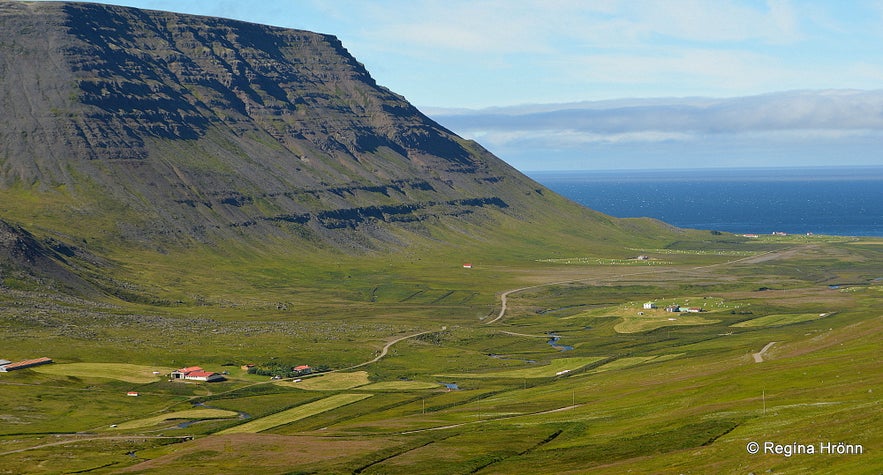
The Westfjords are one of Iceland's most remote and peaceful regions. The area is characterized by dramatic cliffs, fjords, mountains, beaches, waterfalls, and small fishing communities.
One of the most famous attractions is Dynjandi, a beautiful series of waterfalls cascading down a mountainside.
The Westfjords generally receive fewer visitors than the Golden Circle and South Coast, making the region appealing to travelers looking for quieter landscapes.
A trip through the Westfjords requires more planning because distances are significant and some roads can be seasonal.
20. Landmannalaugar – Colorful Mountains and Wilderness
Landmannalaugar is located in Iceland's Highlands and is famous for colorful rhyolite mountains, lava fields, hiking trails, and geothermal landscapes.
The region is particularly popular among hikers during the accessible summer season.
The colorful mountains can appear in shades of red, orange, yellow, green, and other natural tones depending on the minerals and lighting.
Access can be challenging and seasonal, and visitors should check road conditions and travel with suitable preparation.
For adventurous travelers, Landmannalaugar offers some of the most unusual landscapes in Iceland.
Best Time to Visit Iceland
The best time to visit Iceland depends on the type of experience you want.
Summer, from June to August, is popular for road trips, hiking, waterfalls, and exploring areas that are difficult to access during winter. Northern Iceland can also experience very long daylight hours.
Autumn and spring can offer changing landscapes and fewer visitors, although weather conditions can be unpredictable.
Winter, generally from November to March, is popular with travelers hoping to see the Northern Lights and experience snowy Icelandic landscapes. However, winter weather can affect roads and travel plans.
Always check local weather and road conditions before traveling, particularly when driving outside major towns.
How Many Days Are Enough for Iceland?
The number of days you need depends on your travel style.
4–5 days: Focus on Reykjavik, the Golden Circle, and part of the South Coast.
7 days: Explore Reykjavik, Golden Circle, South Coast, and Jökulsárlón.
10 days: A longer road trip can include much of the Ring Road.
14 days: Two weeks allows more time for northern Iceland, the Westfjords, or additional hiking and nature experiences.
For first-time visitors, 7–10 days can provide a good introduction to Iceland.
Icelandic Food You Should Try
Icelandic cuisine is influenced by the country's geography and long fishing traditions. Visitors may want to try:
- Icelandic lamb
- Fresh seafood
- Skyr
- Rye bread
- Icelandic fish soup
- Lamb soup
- Icelandic hot dogs
- Local dairy products
- Traditional pastries
Trying local food is a simple way to experience Icelandic culture during your journey.
Why Visit Iceland?
Iceland offers an extraordinary variety of natural scenery within a relatively small country. Few destinations allow travelers to experience glaciers, volcanoes, waterfalls, geothermal areas, black-sand beaches, mountains, and dramatic coastlines on the same trip.
The country is also ideal for road trips. Scenic routes connect many of the major attractions, allowing travelers to discover landscapes that change dramatically from one region to another.
For nature lovers and photographers, Iceland provides countless opportunities to experience unique scenery. For adventure seekers, there are hiking trails, glacier experiences, geothermal attractions, and other outdoor activities.
And for travelers visiting during the right season and under suitable conditions, the Northern Lights can become the highlight of the entire journey.
Final Thoughts
Iceland is a destination unlike any other. From the colorful capital of Reykjavik to the powerful waterfalls of the South Coast, every region offers something memorable.
The Golden Circle provides an easy introduction to Iceland's natural and historical attractions, while destinations such as Jökulsárlón, Diamond Beach, Vatnajökull National Park, and Reynisfjara showcase the country's dramatic landscapes.
For travelers looking for something more remote, the Westfjords, Snæfellsnes Peninsula, Landmannalaugar, and North Iceland offer incredible scenery and unforgettable experiences.
Whether you want to see waterfalls, explore glaciers, relax in geothermal waters, photograph black-sand beaches, or search for the Northern Lights, Iceland is an extraordinary destination.
Iceland is more than a place to visit—it is a landscape of fire, ice, water, and unforgettable natural beauty.


0 Comments